


Professional medical service of Ophthalmology.
Our Ophthalmology department provides expert care for all eye-related conditions. From routine eye exams and vision correction to advanced treatments for cataracts, glaucoma, and retinal disorders, we use cutting-edge technology to ensure clear vision and healthy eyes for patients of all ages
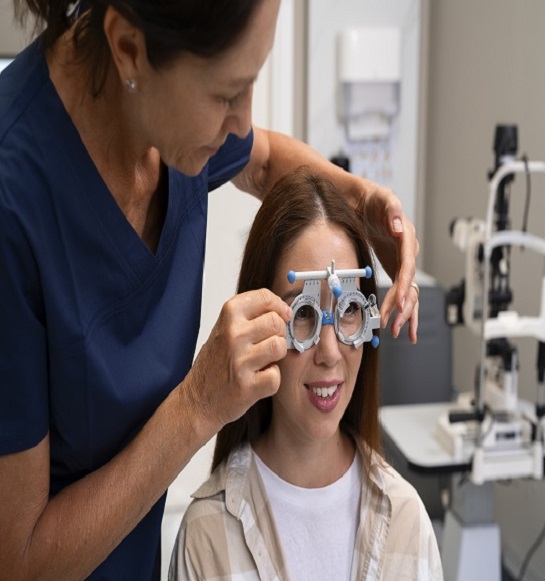
- Comprehensive Eye Exams – routine vision check-ups and eye health assessments.
- Cataract Diagnosis & Surgery – advanced techniques for clear vision restoration.
- Glaucoma Management – early detection and treatment to prevent vision loss.
- Refractive Error Correction – glasses, contact lenses, and LASIK procedures.
- Retinal Care – management of diabetic retinopathy, macular degeneration, and other retinal disorders.
- Corneal Treatments – including infections, injuries, and keratoconus management.
- Pediatric Eye Care – screening and treatment of vision problems in children.
- Emergency Eye Care – treatment for injuries, infections, or sudden vision changes.
Advantages of Eye Care Services
- Early Detection of Eye Problems: Identify vision issues and eye diseases before they worsen.
- Prevention of Vision Loss: Timely treatment helps maintain healthy eyesight.
- Personalized Treatment: Care tailored to each patient’s specific eye health needs.
- Comprehensive Care: Covers routine exams, corrective procedures, and advanced treatments.
- Improved Quality of Life: Clear vision enhances daily activities, safety, and overall well-being.
- Use of Advanced Technology: State-of-the-art diagnostics and treatment methods ensure accurate results.
Health Tips & Information
🌿 General Eye Health Tips
- Regular Eye Checkups:
- Visit an ophthalmologist every 1–2 years (more often if you have diabetes, hypertension, or family history of eye diseases).
- Eat for Eye Health:
- Include foods rich in Vitamin A, C, E, Omega-3 fatty acids, zinc, and lutein (like carrots, spinach, fish, nuts, and citrus fruits).
- Protect Your Eyes from UV Rays:
- Wear UV-protected sunglasses and a hat when outdoors.
- Maintain Proper Screen Habits (Digital Eye Strain):
- Follow the 20-20-20 rule: every 20 minutes, look 20 feet away for 20 seconds.
- Keep your screen at eye level and blink frequently to avoid dryness.
- Avoid Eye Injuries:
- Use protective eyewear while working with tools, chemicals, or playing sports.
- Don’t Rub Your Eyes:
- It can cause irritation, redness, or even corneal damage.
- Maintain Hygiene:
- Always wash hands before touching your eyes or contact lenses.
💻 For Computer & Mobile Users
Adjust brightness and contrast for comfort.Use anti-glare screens or blue light filters.Keep screen distance about 20–24 inches from eyes.Ensure proper lighting—avoid glare and reflections.
🧘♀️ Lifestyle & Eye Wellness
Get 7–8 hours of sleep daily for eye recovery.Practice eye exercises like palming, blinking, and focus shifting.Stay hydrated—dry eyes worsen with dehydration.Avoid smoking—it increases cataract and AMD risk.
🚨 When to See an Ophthalmologist
Sudden vision loss or blurringPersistent eye pain or rednessFlashes or floaters in visionDouble visionHeadache with eye strain
🔬 Advanced Imaging & Diagnostics
Optical Coherence Tomography Angiography (OCTA): Non-invasive imaging that visualizes blood flow in the retina in 3D.Adaptive Optics Imaging: Allows cellular-level imaging of the retina for early disease detection.Corneal Topography & Wavefront Analysis: Used for custom LASIK and keratoconus diagnosis.
⚙️ Minimally Invasive Glaucoma Surgery (MIGS)
Small, stent-based surgeries that lower intraocular pressure with minimal recovery time.Examples: iStent, Hydrus Microstent, XEN Gel Stent.Replaces or reduces the need for lifelong eye drops.